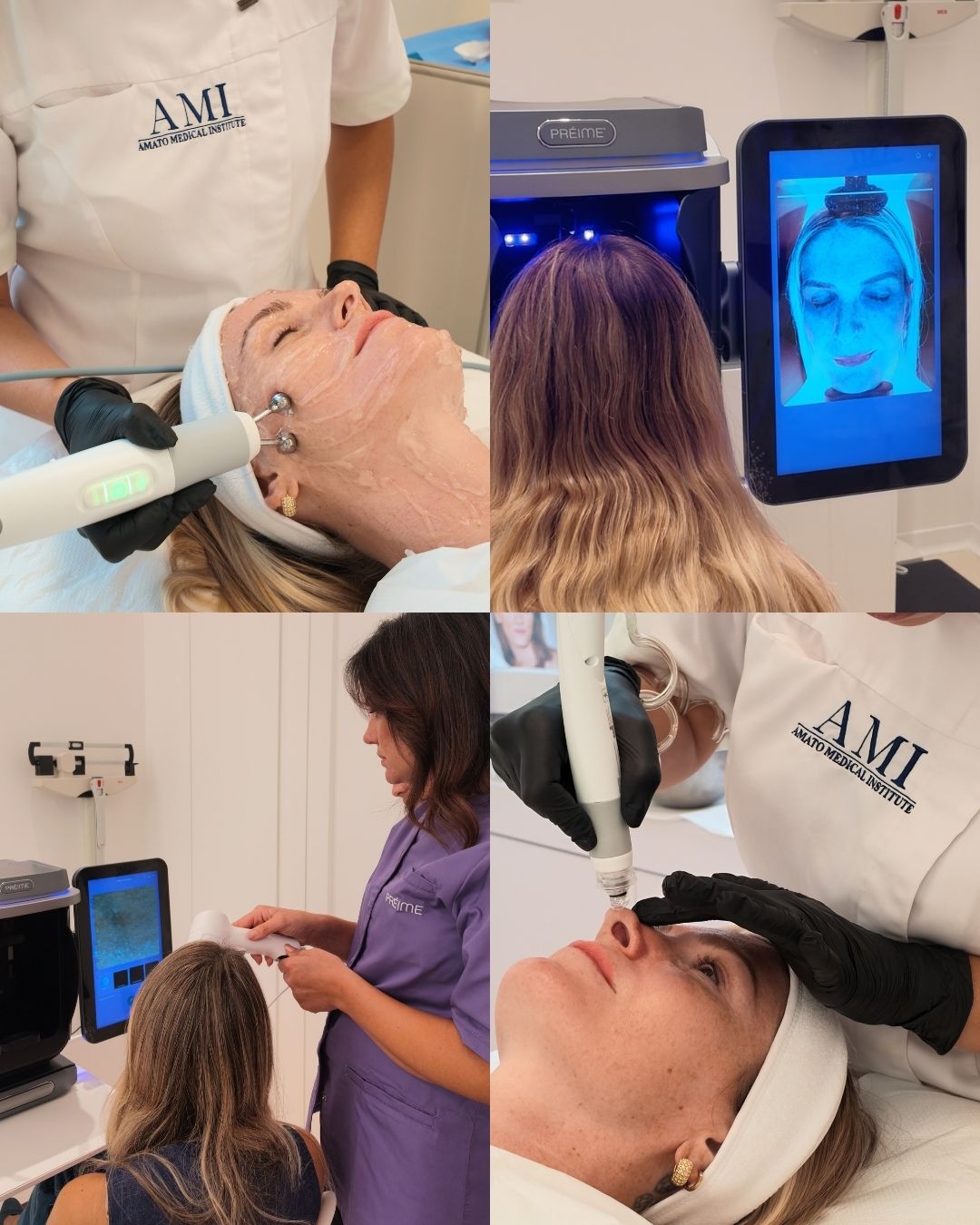
Summer isn't a break for aesthetic medicine, but an opportunity to focus on treatments that preserve skin quality while respecting its physiology.
Beauty and wellness in summer: treatments to choose (and those to postpone)
Summer is the time when the skin is most exposed to sun, heat, salt water, and chlorine, factors that can alter the balance of the skin barrier.These external agents promote dehydration and increase oxidative stress. For this reason, during the summer months, the goal of aesthetic medicine should not be to subject the skin to aggressive treatments, but to preserve its quality, hydration, and biological function through targeted and personalized protocols. The key word is prevention.
Summer: the ideal time to take care of your skin
Contrary to popular belief, it is not necessary to suspend all treatments during the summer.Many procedures can be safely performed, provided they are selected after a medical evaluation and accompanied by proper sun protection. The goal is to help the skin maintain firmness, radiance, and hydration even in the warmest months.
Recommended treatments
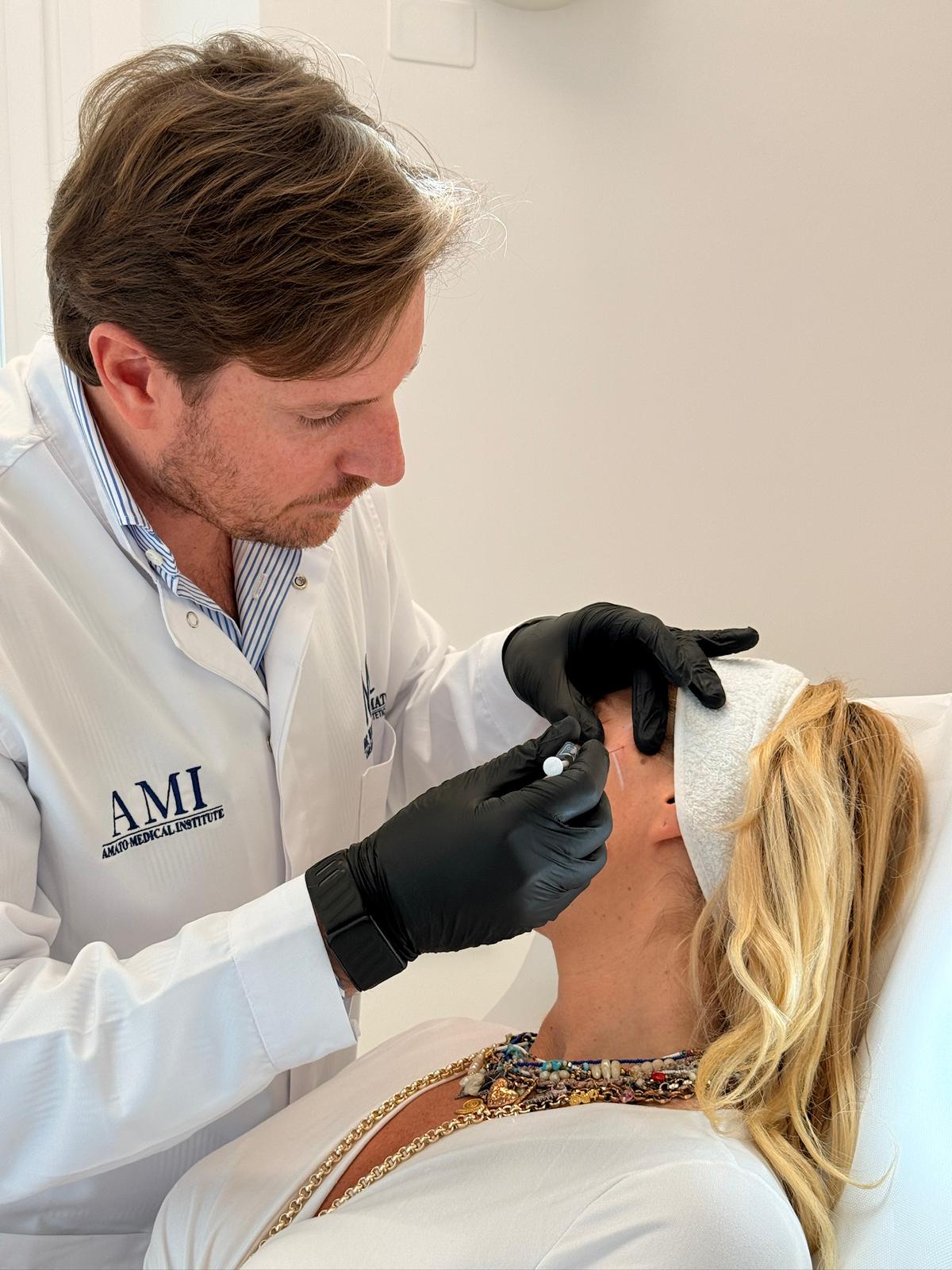
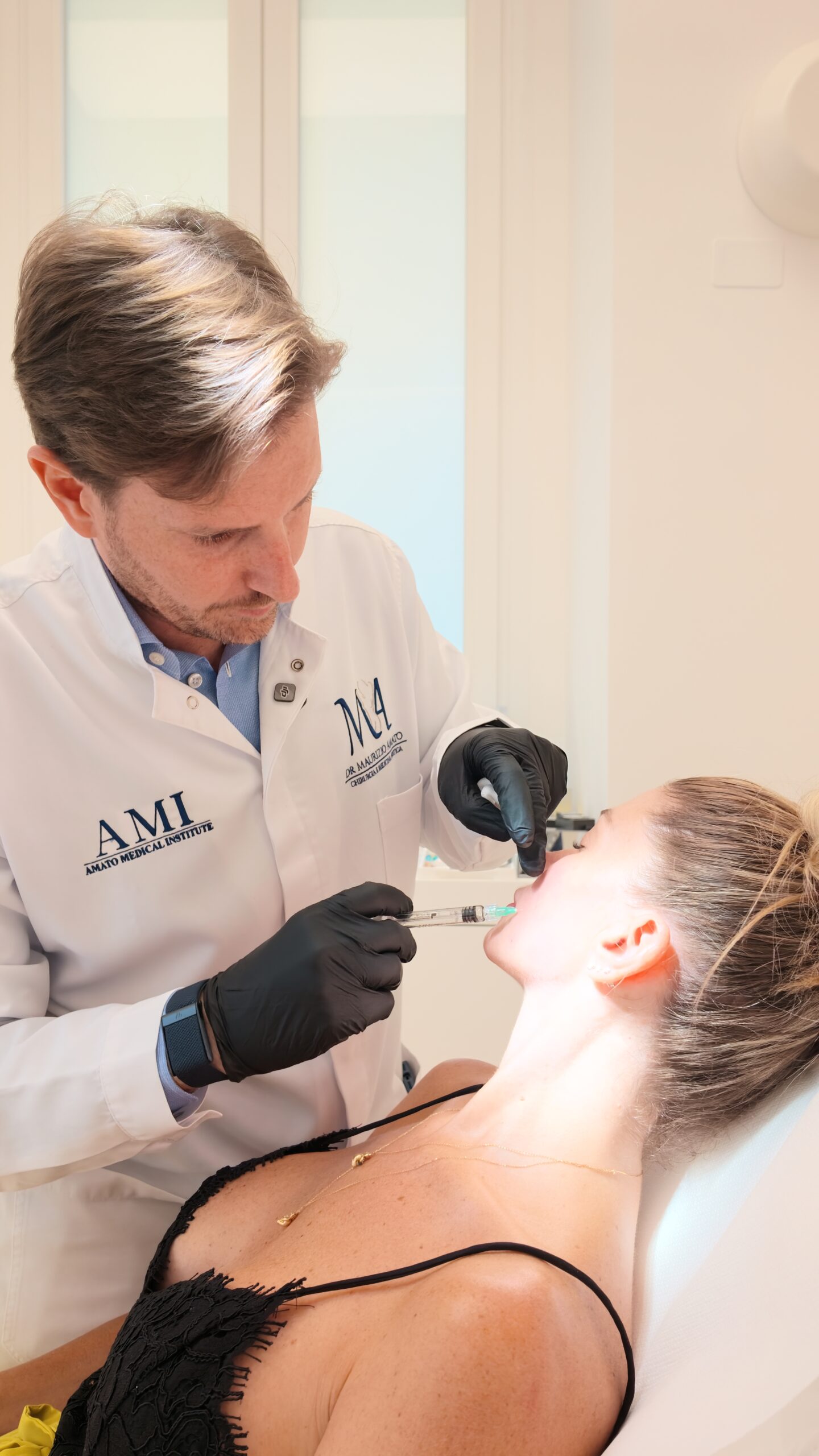
Aesthetic medicine: injectable procedures are an ideal choice during the summer.These treatments improve skin quality and combat the signs of aging without causing significant photosensitivity. These include:
- Botulinum toxin
- Hyaluronic acid-based fillers
- Skin Booster
- Biostimulation with polylactic acid
- Biostimulation with calcium hydroxyapatite
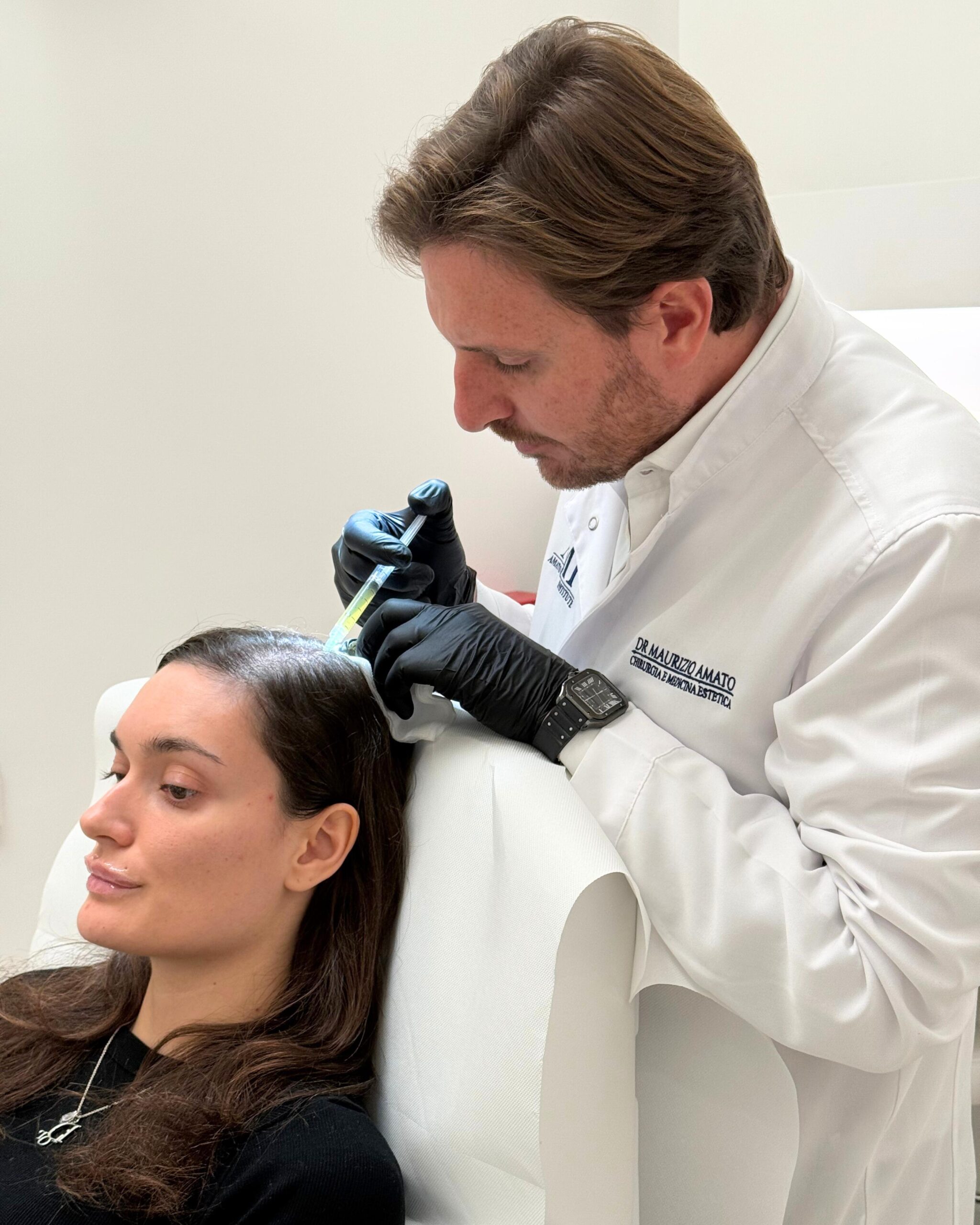
Regenerative Medicine: Summer is also the ideal time to support your skin from the inside out.
Regenerative medicine protocols stimulate physiological tissue repair processes and counteract the effects of oxidative stress caused by UV exposure. At AMI, we offer customized protocols with:
- PRP (Platelet Rich Plasma)
- Polynucleotides
- Exosomes
- Ozone therapy
- NAD+
- IV Therapy
In periods characterized by high temperatures, personalized protocols of IV Therapy They can represent a valid support for promoting the maintenance of hydration, the replenishment of essential vitamins and micronutrients and the support of physiological metabolic functions, particularly stressed by thermal stress.
Peeling yes, but with the right treatment
Not all peels are the same: there are superficial variants specifically formulated for the summer season.These treatments, which must always be combined with rigorous sun protection, are indicated for:
- Improve skin radiance
- Refine skin texture
- Reduce excess sebum
- Maintain even skin tone
The treatments we prefer to postpone
Some procedures require special caution during the summer months and are generally scheduled in the fall.Reduced exposure to ultraviolet rays in the colder months reduces the risk of hyperpigmentation and promotes optimal recovery for these treatments:
- Fractional CO₂ laser
- Laser resurfacing
- Laser for skin blemishes
- Ablative treatments in general
Summer skincare is part of the treatment
Even the best medical protocol requires a proper home routine to maximize results.During the summer it is advisable to adopt the following habits:
- Use SPF 50+ sunscreen daily.
- Cleanse your skin with gentle products
- Maintain adequate hydration both topically and systemically
- Use antioxidants and hydrating actives when directed by your doctor
- Avoid direct sun exposure during the central hours of the day
The AMI Board
Everyone's skin reacts differently to summer. For this reason, there's no one-size-fits-all treatment, but rather a tailor-made protocol.A specialist assessment allows us to study the individual patient's characteristics to choose the most suitable treatment plan, preserving skin health and maintaining the results achieved throughout the year.
FAQ: Frequently asked questions about recommended summer treatments
Yes. Many aesthetic medicine treatments can also be performed during the summer season. The choice of procedure depends on the specialist's assessment, skin type, and anticipated UV exposure.
Yes. Botulinum toxin and hyaluronic acid fillers are not a contraindication during the summer season. However, it is advisable to avoid intense sun exposure for the first 24-48 hours after treatment and follow your doctor's instructions.
Not all. There are superficial chemical peels formulated for use even during the summer. Non-photosensitizing peels should always be evaluated by a doctor and combined with adequate sun protection.
Generally, LASER procedures, skin resurfacing and ablative treatments are scheduled in the autumn months, when reduced exposure to ultraviolet rays helps minimize the risk of post-inflammatory hyperpigmentation.
Yes. Treatments such as PRP, polynucleotides, exosomes, IV Therapy, NAD+, and ozone therapy can also be performed during the summer season as part of customized protocols, with the aim of improving tissue quality, supporting regeneration processes, and counteracting the effects of oxidative stress. During periods of high temperatures, customized IV Therapy protocols can be a valuable aid in maintaining hydration, replenishing essential vitamins and micronutrients, and supporting physiological metabolic functions.
Yes. After any aesthetic medicine procedure, the daily use of a broad-spectrum SPF 50+ sunscreen is recommended to preserve the treatment results and reduce the risk of pigmentation changes.
Each patient has different skin characteristics, clinical needs, and sun exposure habits. For this reason, it is essential to establish a personalized protocol, choosing the most appropriate procedures based on individual conditions and adhering to safety criteria.
AMI treatments recommended in summer
- Botox
- Hyaluronic acid fillers
- Skin Booster
- Biostimulation with polylactic acid
- Biostimulation with calcium hydroxyapatite
- PRP
- Polynucleotides
- Exosomes
- Ozone therapy
- Personalized IV Therapy
- NAD+
- Superficial chemical peels
To be scheduled in autumn
- Fractional CO₂ laser
- Laser resurfacing
- Laser for dyschromia and photorejuvenation
- Ablative procedures