Rinoplastica

Rhinoplasty

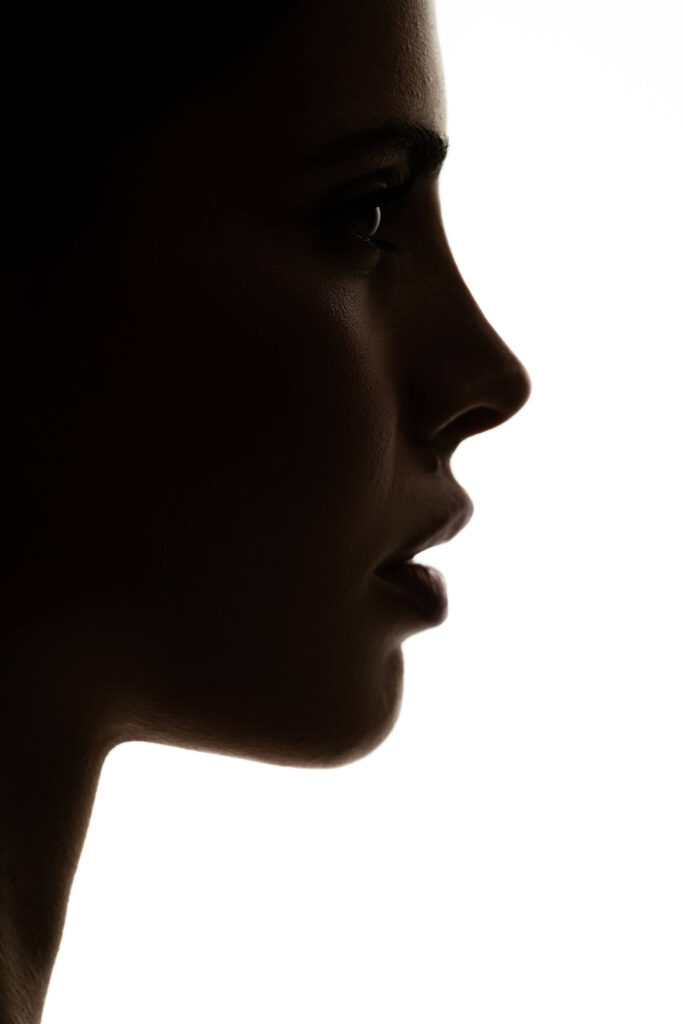
Modern rhinoplasty is the perfect balance between aesthetic and functional surgery. It's not just about correcting a flaw, but about redefining facial harmony, improving breathing capacity where necessary. Through minimally invasive techniques, we restore a natural and well-proportioned profile to patients, respecting the individual's unique facial features.

Rhinoplasty and Rhinoseptoplasty:
The Art of a Perfect Profile

There rhinoplasty It is a cosmetic and functional surgical procedure that improves both the appearance of the nose and breathing. Using the most advanced techniques, the surgeon can reshape the nose, making it harmonious and proportionate to the face, without compromising respiratory function.
 
This procedure is indicated for:
•Correct congenital defects of the nose
•Resolve post-accident trauma or alterations
•Improve the shape of the nose for aesthetic reasons
 
Rhinoplasty
 
Rhinoseptoplasty combines aesthetic correction with improved breathing by working on the nasal septum and internal structures. It's the ideal solution for those seeking a beautiful and functional nose.
 
Advantages of rhinoplasty:
•Freer and more natural breathing
•More harmonious and proportionate nose
•Resolution of chronic respiratory problems
 
Revision rhinoplasty
 
Revision rhinoplasty is recommended for those who have already undergone surgery but wish to correct unsatisfactory aesthetic or functional results. This type of surgery requires extensive experience to achieve a natural and safe result.
 
When to consider revision rhinoplasty:
•Unsatisfactory nose shape after the first surgery
•Persistent breathing problems
•Need to perfect facial harmony
Is rhinoplasty a painful procedure?

Contrary to popular belief, postoperative pain is minimal and easily managed with common analgesics. The main discomfort is a stuffy nose in the first few days, similar to a bad cold.

Are nasal swabs still used?

Today we use cutting-edge techniques and ultra-light materials (or soft silicone micro-tampons) that make removal painless, or "tampon-free" techniques depending on the clinical case, ensuring a much more comfortable recovery.

How long does it take for the final result to be visible?

Improvement is visible as soon as the cast is removed, after about 10-14 days. However, residual swelling gradually disappears, and the final result is fully appreciated between 6 and 12 months after surgery.

Can I go back to wearing glasses immediately after surgery?

It's advisable to avoid placing heavy glasses on the bridge of your nose for the first 4-6 weeks. However, there are solutions or small precautions that your surgeon will explain to you during your consultation.

Ideal candidates

✔
Nasal Dysmorphisms and Deformities

Patients with congenital or post-traumatic alterations who wish to restore the correct anatomy of the nose and facial harmony.

✔
Respiratory Obstructions and Deviated Septum

Subjects with functional difficulties due to septal deviations or turbinate hypertrophy who require rhinoseptoplasty.

✔
Profile imperfections (hump and tip)

People who are dissatisfied with their profile due to a pronounced hump, wide or drooping tip, and who are looking for a natural result.

✔
Facial Disproportions and Self-Confidence

Those who perceive the nose as dominant or disharmonious with the rest of their facial features, negatively impacting their self-esteem.

Recovery Timeline

Each patient's recovery time is different, but here's a general guideline for your return to daily life:

PeriodWhat to Expect / Activities
Day 1-3Complete rest. Mild swelling and possible stuffy nose.
Day 7-10Removal of the rigid protection (cast) and return to office work.
2 WeeksThe bruises disappear almost completely. You can resume your social life.
1 MonthResumption of light physical activity (yoga, walking).
3-6 monthsThe residual swelling reabsorbs; the profile becomes increasingly defined.

Tips for a quick recovery

  • Sleep with your head slightly elevated for the first few days.
  • Avoid strenuous exertion or forceful nose blowing.
  • Protect your nose from direct sun exposure for the first few months.

Industry professionals

Do you need info?

Contact us